Shopping home deals gets expensive when every category looks urgent at once. This guide gives you a practical way to compare kitchen deals, bedding sales, cleaning bundles, and small appliance deals without guessing. Instead of chasing every markdown, you will learn how to estimate real value, account for replacement timing, and decide whether a deal belongs in your cart now, on a watchlist, or skipped entirely. The goal is simple: spend where the savings are meaningful, avoid fake urgency, and build a repeatable system you can use whenever the best home deals today change.
Overview
The most useful way to shop best home deals today is not by asking which product is cheapest. It is by asking which purchase improves your home at the lowest realistic cost over time. A discounted sheet set that pills quickly can be a worse deal than a mid-priced set that lasts. A flashy blender bundle can cost more than buying the one appliance you actually use. A bulk cleaning kit may look efficient until half the products sit unopened under the sink.
That is why a home-deals roundup works best when it doubles as a simple decision framework. For most shoppers, four categories create the most noise and the most opportunity:
- Kitchen deals: cookware, food storage, prep tools, coffee makers, air fryers, blenders, and mixers.
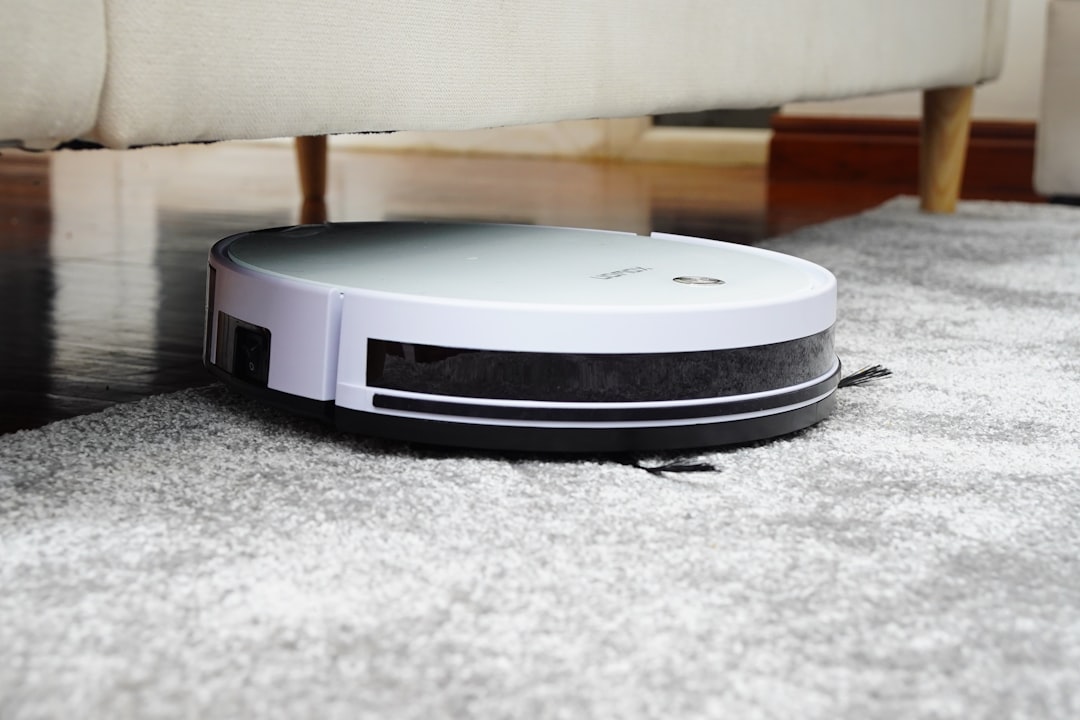
- Cleaning deals: vacuums, mops, microfiber sets, detergents, refill systems, and organizers.
- Bedding sales: sheet sets, comforters, pillows, mattress protectors, blankets, and toppers.
- Small appliance deals: humidifiers, dehumidifiers, air purifiers, steamers, fans, and countertop appliances.
These categories rotate heavily with seasonality, retailer promotions, and new model releases. That makes them ideal for a return-worthy article: the products and prices change, but the decision method stays useful.
When you evaluate home deals today, think in layers. First, ask whether the item solves a current problem. Second, estimate whether the discount is meaningful relative to normal pricing. Third, factor in longevity, replacement cycle, and hidden costs such as accessories, filters, detergent pods, or extra bedding pieces. Fourth, consider storage space and frequency of use. A deal is only a deal if it fits your home and your habits.
If you also shop across categories during sale periods, it helps to create a simple priority ladder:
- Replace now: broken, unsafe, or heavily worn essentials.
- Upgrade soon: items that still work but create daily friction.
- Seasonal need: products tied to weather, guests, or school/work routines.
- Nice to have: trend-driven purchases that can wait.
This one list keeps your daily shopping picks grounded. It also protects you from the common mistake of buying a strong discount in the wrong category while ignoring a weak-but-necessary replacement in another.
How to estimate
You do not need a spreadsheet to judge a home deal, but a lightweight formula helps. Use this four-step estimate for any kitchen, cleaning, bedding, or small-appliance purchase.
1. Start with the true purchase cost
Use the full delivered cost, not just the list price. Include:
- Sale price
- Shipping or delivery fees
- Taxes
- Required accessories
- Immediate add-ons, such as extra filters, pans, pillowcases, or cleaning solution
True purchase cost = item price + fees + required extras
2. Estimate cost per month of use
For durable home goods, monthly cost is often more revealing than sticker price.
Cost per month = true purchase cost ÷ expected months of useful life
This works especially well for bedding, vacuums, small appliances, and cookware. If two options serve the same purpose, the one with the lower monthly cost is often the better long-term buy.
3. Estimate cost per use
For products used frequently, cost per use can be even more helpful.
Cost per use = true purchase cost ÷ expected number of uses
This is useful for coffee makers, air fryers, blenders, food storage sets, and mop systems. A product used daily can justify a higher price than one that comes out once every few months.
4. Compare against the replacement or problem-solving value
Ask what the item saves you in time, effort, or avoided re-buys. Examples:
- A stronger vacuum may reduce cleaning time each week.
- A better comforter may remove the need for layering extra blankets.
- A quality food container set may reduce wasted leftovers.
- An air purifier may be worth more during allergy season than in a mild month.
You do not need to assign a perfect dollar figure to every benefit. The point is to avoid comparing products only on list price. The best small appliance deals and kitchen deals often win because they fit repeated real use, not because they have the biggest percentage off.
A quick deal score you can actually use
If you want one simple rating, give each item a score from 1 to 5 in these five areas:
- Need right now
- Discount appears meaningful
- Expected durability
- Frequency of use
- Storage and space fit
Add the numbers. A score near the top of your range signals a buy-now candidate. A middle score belongs on a watchlist. A low score is usually a skip, even if it looks like one of the today's best discounts.
Inputs and assumptions
Any estimate is only as good as the assumptions behind it. Before you compare deals, decide what inputs matter most for your household. That keeps the article useful even when pricing inputs change.
Kitchen deals
Kitchen purchases should be judged by cooking habits, not aspiration. Inputs to consider:
- Use frequency: daily, weekly, or occasional
- Capacity needs: solo, couple, family, or frequent hosting
- Counter and cabinet space: whether the item can stay accessible
- Replacement timing: broken item, first purchase, or upgrade
- Compatibility: dishwasher-safe parts, stackable storage, existing accessories
Assumption to use: if an appliance will not be easy to reach, it will probably be used less than expected. That lowers its real value.
Cleaning deals
Cleaning products look especially attractive in bundles, but bundles are not always better. Key inputs:
- Floor type: carpet, hardwood, tile, rugs, pet-heavy areas
- Home size: apartment, shared space, or multi-room home
- Refill costs: filters, cleaning solution, disposable pads, bags
- Weight and ease of use: especially for stairs or quick cleanups
- Storage footprint: closet, utility area, under-sink space
Assumption to use: low upfront pricing can hide higher refill or maintenance costs. For cleaning tools, total ownership cost matters more than launch-day markdowns.
Bedding sales
Bedding sales can be genuinely strong, but bedding is also a category where materials and construction matter more than trend labels. Inputs to consider:
- Bed size and whether deep pockets or oversized dimensions are needed
- Sleep temperature: hot sleeper, neutral, or cold sleeper
- Washing frequency and laundry care tolerance
- Layering needs: all-season use versus guest-room or winter-only use
- Piece count: whether the set includes what you actually need
Assumption to use: a set is not a better value just because it includes more pieces. Extra decorative items do not help if your goal is comfort, easy care, and long wear.
Small appliance deals
This category covers everything from air purifiers to dehumidifiers to coffee machines and garment steamers. Inputs to consider:
- Room size or coverage area
- Noise tolerance
- Energy use concerns
- Filter or accessory replacement cycle
- Seasonality: year-round use or limited-season use
Assumption to use: seasonal products are worth more when bought before peak need, not after the rush. A moderate discount before heavy-use season can be better than a steep discount after you needed the item most.
Red flags that make a deal less useful
Even without current pricing data, you can screen out bad buys fast. Be cautious when:
- The discount is large but the model is missing standard accessories.
- The bundle forces add-ons you would not choose separately.
- The item solves a problem you do not actually have.
- The return process seems inconvenient for bulky home goods.
- The product requires expensive recurring consumables.
- The dimensions do not clearly fit your space.
These checks matter because many shoppers lose money on friction, not just on price. A return fee, a missing pan insert, or a purifier with pricey filters can erase the appeal of the initial sale.
Worked examples
Here are simple examples you can adapt using your own numbers whenever you scan the best home deals today.
Example 1: Choosing between two sheet sets
You are comparing a lower-priced sheet set and a mid-priced one. The cheaper set costs less upfront, but you expect it to wear faster and lose comfort sooner. The mid-priced set costs more but seems likely to last longer and feel better through repeated washing.
Use the monthly-cost estimate:
- Option A: lower upfront cost, shorter useful life
- Option B: higher upfront cost, longer useful life
If Option B ends up with a similar or lower cost per month, it is usually the better bedding buy. If you rotate multiple sheet sets and wash frequently, durability becomes even more important. In that case, a modestly higher price may be the smarter move.
Example 2: Air fryer versus blender bundle
You only have room for one new countertop appliance this month. The blender bundle advertises a bigger markdown, but your household already owns a serviceable blender. Meanwhile, the air fryer would likely be used several times a week and replace some takeout or oven use.
Score both items on need, frequency, space fit, and replacement value. Even if the blender bundle looks like one of the strongest small appliance deals, the air fryer may still rank higher because it solves a more immediate daily-use problem.
Example 3: Vacuum with consumables versus simpler stick model
Model A is discounted more heavily, but it uses recurring bags or proprietary filters. Model B has a smaller discount and fewer extras but lower ongoing upkeep. Compare total first-year cost rather than sale price alone.
Ask:
- What do I need to buy within the first few months?
- Will I need extra heads, bags, or filters soon?
- Is the heavier model realistically going to be used for quick cleanups?
If the simpler vacuum is easier to grab and maintain, it may deliver more real cleaning value despite the smaller initial discount.
Example 4: Comforter set before guest season
You expect visitors in the next few months. A comforter set on sale looks appealing, but the better estimate includes whether it works for your climate, bed size, and laundry setup. A guest-room purchase should be judged by readiness and ease of care, not trend appeal.
If the set includes decorative extras you do not need, strip those out mentally and decide whether the core items still justify the price. That one step helps you shop bedding sales more clearly.
Example 5: Cleaning bundle for a small apartment
A bundle includes a mop, sprays, cloths, storage caddy, and refills. It seems efficient, but your space is small and you already own basic cloths and a spray bottle. In this case, the true value may come from buying only the upgraded mop or only a refillable system you will actually maintain.
Bundles work best when they replace multiple worn-out items at once. They work poorly when they duplicate what you already have.
If you like this practical way of comparing categories, you may also want a similar savings-first approach to other shopping roundups, such as Best Beauty Deals Today: Makeup, Skincare, and Haircare Discounts Worth Checking or digital purchase categories like Best Laptop Deals Right Now: Top Picks by Budget, Work, and Gaming and Best Phone Deals Right Now: iPhone, Samsung, and Carrier Offers Compared.
When to recalculate
The best reason to revisit a home-deals guide is that the inputs move. Prices change, seasons change, and your own needs change. Recalculate whenever one of these triggers appears:
- A price drops or rebounds: if a watched item falls into your target range, rerun the true-cost estimate.
- Your current item fails: replacement urgency changes the value equation immediately.
- A new season starts: bedding, humidifiers, fans, dehumidifiers, and air care products all become more or less useful depending on weather.
- Your living setup changes: moving, adding a roommate, hosting more often, or changing work-from-home habits can shift what matters.
- Ongoing costs change: filters, pods, or accessories become more expensive or harder to find.
- Storage space gets tighter: a good deal is weaker if it creates clutter or inconvenience.
Here is a practical refresh routine you can use in under ten minutes:
- List the top three home items you may buy next.
- Mark each one as replace now, upgrade soon, seasonal, or optional.
- Write down the all-in cost, not just the promo price.
- Estimate how often you will use it in a normal month.
- Check whether it adds refill or accessory costs.
- Decide: buy now, watch, or skip.
That is the core habit behind smarter daily deals roundup shopping. It keeps you from reacting to urgency and helps you act on actual household value.
And if your browsing habit mixes deals with the rest of what's trending now, topdaily.link also curates lighter reads between shopping sessions, including What to Watch This Weekend: Top Streaming Picks by Mood and Genre, Top Memes Right Now: The Internet Jokes You Need the Context For, and Best Gift Card Deals This Week: Bonus Credit, Promo Codes, and Store Offers.
The practical takeaway is straightforward: do not shop home deals by headline discount alone. Estimate the all-in cost, match it to your real use, and revisit the math whenever price or need changes. That one habit makes kitchen deals, cleaning bundles, bedding sales, and small appliance deals much easier to judge, whether you are buying today or building a watchlist for the next price swing.